The exploit code looked normal at first glance. A Python script with helpful docstrings explaining each step, clean ANSI color classes for terminal output, a neatly formatted help menu. It even included a CVSS severity score.
That CVSS score did not match any real vulnerability database entry. It was fabricated. The docstrings were too educational, too eager to explain what each function did. The code was too clean, too structured.
Google's Threat Intelligence Group noticed all of this in May 2026 when they intercepted a Python script designed to bypass two-factor authentication on a popular open-source web administration tool. The script contained a zero-day vulnerability exploit that had never been seen before. And Google believed it was written by an AI.
Not Gemini. Not any specific model Google could point to. Just the unmistakable fingerprints of an LLM generating code in its training data pattern: textbook formatting, helpful comments that read like tutorial material, a hallucinated reference number that made no sense.
Someone fed an AI a prompt and got back a working zero-day exploit.
How it worked
The vulnerability itself was a semantic logic flaw. A developer had hardcoded a trust assumption into the 2FA system of a widely-used open-source web administration tool. The code was syntactically correct. No fuzzer would catch it. No static analyzer would flag it. The problem was in the design, not the implementation.
This is where LLMs differ from traditional vulnerability scanners. Fuzzers look for memory corruption, buffer overflows, protocol violations. They probe for crashes. LLMs read code like a human would: they understand intent, they follow the logic, and they spot places where a developer made an assumption that an attacker could exploit.
The attacker used an LLM to identify this trust assumption, then asked the same model to write a Python exploit that took advantage of it. The script they got back was ready to run. It required valid user credentials to work, but once those were obtained, the 2FA bypass was complete.
Google called this a planned "mass exploitation event." Two threat actor groups were cooperating. Google intercepted the attack before it could execute at scale and worked with the affected vendor on responsible disclosure.
The AI fingerprints
What gave it away was not the quality of the exploit. It was the style.
The script contained an abundance of educational docstrings, explaining each step in plain language as if teaching a student. It included a hallucinated CVSS score that did not correspond to any official entry. It used a structured, textbook Pythonic format with clean ANSI color classes and detailed help menus, all highly characteristic of LLM training data.
This matters because it means AI is lowering the barrier to entry for zero-day exploitation. You no longer need years of binary analysis expertise or deep knowledge of memory corruption techniques. You need to understand the target application's logic and know how to prompt an LLM effectively. The model handles the rest.
The broader pattern
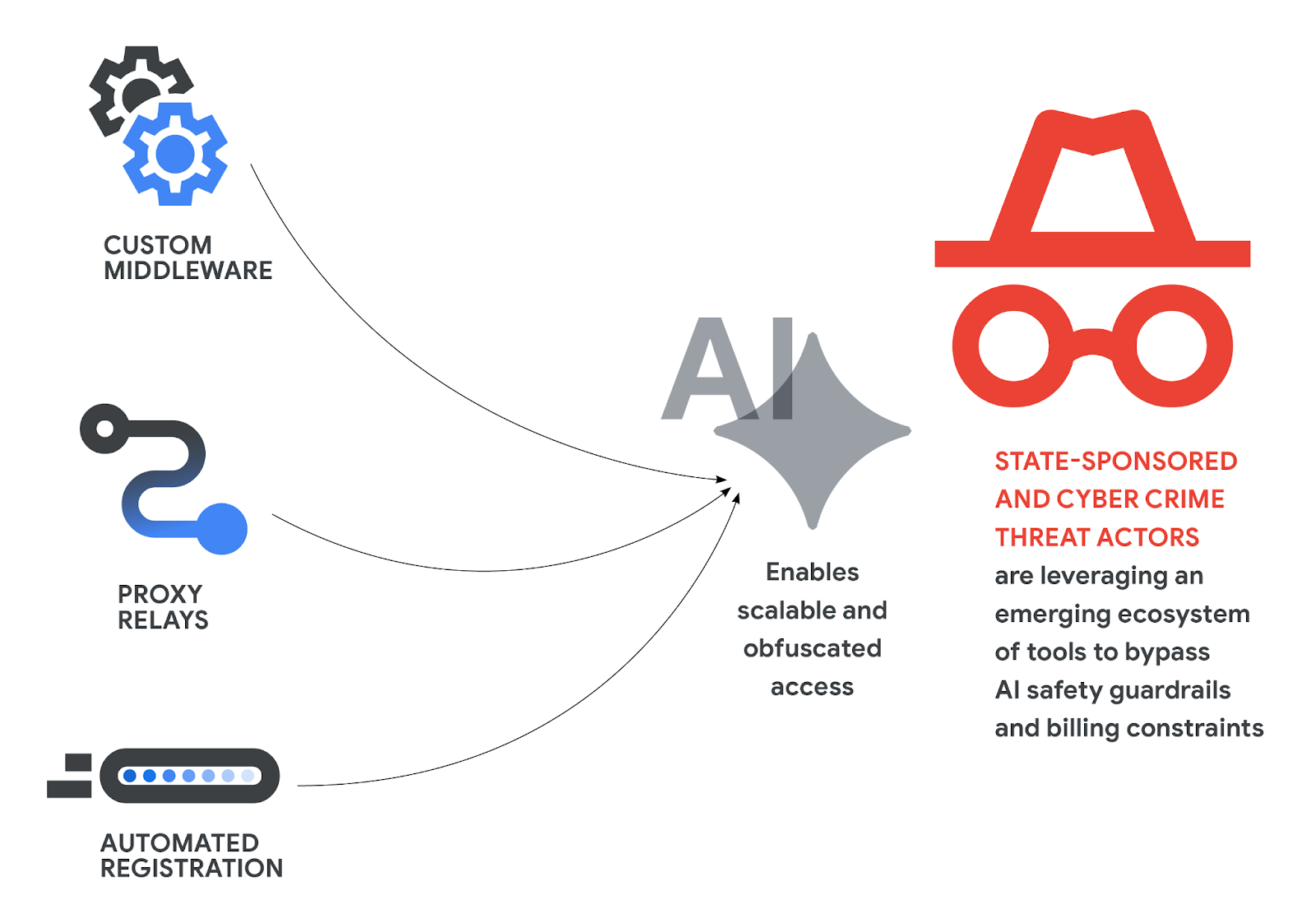
This was not an isolated incident. Google's May 2026 threat report documented a wider pattern:
- UNC2814, a China-linked threat group targeting telecoms and government entities across 42 countries since 2017, used persona-driven jailbreaking to get AI models to research vulnerabilities in embedded firmware from TP-Link and OFTP devices.
- APT45 (Andariel) used thousands of recursive prompts to analyze CVEs and validate proof-of-concept exploits.
- Microsoft's MDASH AI system found 16 Windows vulnerabilities in a single Patch Tuesday cycle.
- An AI research team called AISLE discovered all 12 zero-day vulnerabilities in an OpenSSL security release, including one bug that had existed for 27 years dating back to the SSLeay implementation from the 1990s. They also proposed patches for 5 of those 12 fixes.
- The curl project cancelled its bug bounty program after being flooded with AI-generated spam, even while genuine AI systems like AISLE reported real CVEs that were fixed.
Ryan Dewhurst, head of threat intelligence at watchTowr, put it plainly: "AI is already accelerating vulnerability discovery, reducing the effort needed to identify, validate, and weaponize flaws. There is no mercy from attackers, and defenders do not get to opt out."
The timeline from concept to working exploit has compressed from months to potentially hours. Frontier AI models are finding vulnerabilities at 7x the rate of traditional methods, according to Unit42 research cited in Google's report.
What defenders can do
Google's detection came down to pattern recognition: the hallucinated CVSS score, the tutorial-like formatting, the excessive documentation. These are signals defenders should start treating as high-confidence indicators of AI-assisted development.
But the harder truth is that semantic logic flaws will keep appearing. They hide in design decisions, not syntax errors. The only defense is manual audit of authentication logic, specifically looking for hardcoded trust assumptions, and accelerating patch cycles to match the compressed discovery timeline.
Sources
- Google Threat Intelligence Group report: https://cloud.google.com/blog/topics/threat-intelligence/ai-vulnerability-exploitation-initial-access
- The Hacker News coverage: https://thehackernews.com/2026/05/hackers-used-ai-to-develop-first-known.html
- The Verge: https://www.theverge.com/tech/928007/google-ai-zero-day-exploit-stopped
- CSO Online: https://www.csoonline.com/article/4169046/google-discovers-weaponized-zero-day-exploits-created-with-ai.html
- CNBC: https://www.cnbc.com/2026/05/11/google-thwarts-effort-hacker-group-use-ai-mass-exploitation-event.html
- PCMag: https://www.pcmag.com/news/google-spots-hackers-using-ai-to-find-zero-day-flaw-for-mass-explotation
- Infosec.ge analysis: https://infosec.ge/blog/ai-generated-zero-day-2fa-bypass-2026/
- LessWrong / AISLE OpenSSL report: https://www.lesswrong.com/posts/7aJwgbMEiKq5egQbd/ai-found-12-of-12-openssl-zero-days-while-curl-cancelled-its
- SecurityWeek: https://www.securityweek.com/google-detects-first-ai-generated-zero-day-exploit/